
AI Marketing Automation for Businesses: Improving ROI and Customer Engagement

What Role Does AI Marketing Automation Play in Driving Marketing ROI?

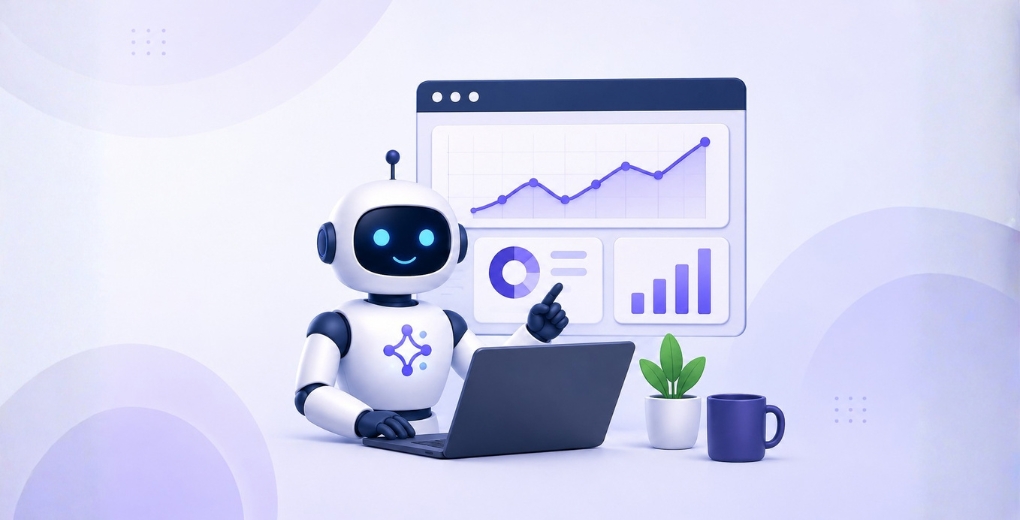
As businesses navigate an increasingly competitive digital marketplace, achieving a high return on investment (ROI) is becoming more challenging yet more essential. AI Marketing Automation plays a crucial role in addressing this challenge by streamlining marketing efforts, enhancing customer engagement, and driving more revenue with optimized strategies. By leveraging artificial intelligence (AI), businesses can automate repetitive tasks, personalize content, and analyze vast amounts of data more efficiently than ever before.

The traditional method of marketing—where teams manually segment audiences, craft messages, and track engagement—has become too slow and inefficient in today’s fast-paced digital world. AI solves this problem by automating these processes, ensuring that businesses can act faster, improve personalization, and reduce manual errors. With Topranker’s AI Marketing Automation solutions, businesses can benefit from machine learning, predictive analytics, and natural language processing (NLP) technologies, which power dynamic, data-driven campaigns across multiple channels.

Understanding the Workflow of AI Marketing Automation

The process of AI Marketing Automation involves multiple interconnected steps. Each step contributes to the efficient execution of marketing strategies that drive meaningful results. Here’s a breakdown of the AI workflow:
Data Collection and Integration: The Foundation of AI Marketing Automation

The first critical stage of AI Marketing Automation is data collection. AI systems collect data from various touchpoints, including website visits, social media interactions, CRM systems, email campaigns, and even offline interactions. This diverse range of data provides a holistic view of the customer journey, from the first point of contact through to post-purchase engagement.

This data is processed and integrated into a centralized system, enabling businesses to analyze customer interactions in real time. Topranker helps businesses collect, organize, and manage this data, ensuring that it’s ready for analysis and action. Accurate data collection is essential to ensure the effectiveness of AI-driven marketing strategies, enabling businesses to understand the full scope of customer behaviors and preferences.

Segmentation Layer: Creating Dynamic Customer Segments

Once the data is collected, AI-powered segmentation comes into play. Traditional segmentation methods may group customers into broad categories based on basic information like age or location. However, AI takes segmentation a step further by analyzing behavioral patterns in real-time. By looking at purchasing habits, website interactions, and engagement history, AI segments customers dynamically and more precisely.

This segmentation allows businesses to create tailored messages for each group of customers, improving the chances of engaging each individual effectively. Topranker ensures that businesses can create more targeted and effective campaigns by leveraging AI-driven dynamic segmentation strategies, helping them reach the right audience at the right time with the right message.
Predictive Analytics and Behavior Modeling: Anticipating Customer Actions

One of the standout features of AI Marketing Automation is its ability to use predictive analytics to forecast future customer behavior. AI-powered predictive models analyze historical data, identifying trends and behaviors that allow businesses to anticipate a customer’s next move. For example, AI can predict which customers are likely to convert, which ones may abandon their cart, and which may need a reminder or personalized offer.

Using these predictive insights, businesses can proactively target customers with personalized marketing messages that are tailored to their future actions. Topranker helps businesses leverage predictive analytics to design more targeted and efficient marketing campaigns, ensuring they engage customers when they’re most likely to convert.

Personalization Layer: Delivering Tailored Content

AI’s ability to personalize content is a key differentiator in marketing automation. Through AI-powered personalization, businesses can ensure that each customer receives content that resonates with their interests and preferences. Personalized content can include product recommendations, email messaging, and customized ads.

By automating content personalization at scale, businesses ensure that each customer receives messages that are most relevant to them. For example, e-commerce businesses can display personalized recommendations based on previous purchases and browsing history, improving the likelihood of additional sales. Topranker ensures that businesses use AI tools to deliver a seamless, personalized experience, fostering long-term customer relationships and increasing ROI.

Execution and Automation Layer: Running Campaigns Efficiently

Once the strategy is defined, AI handles the execution of marketing campaigns. Whether it’s sending personalized emails, managing social media posts, or optimizing ad campaigns, AI automates these tasks, allowing businesses to run campaigns efficiently across multiple channels. Automation frees up time for marketing teams to focus on strategy, while AI ensures that the right content reaches the right customer at the right time.


Topranker’s AI-driven tools ensure that businesses can automate high-volume tasks, such as email outreach, customer follow-up, and ad management, without compromising personalization. This leads to improved operational efficiency and a greater return on marketing investments.
AI Marketing Automation: A Key Driver of Marketing ROI

Improved Customer Engagement

Improved Customer Engagement

AI Marketing Automation significantly improves customer engagement by delivering highly personalized content across multiple touchpoints. For example, personalized product recommendations, dynamic pricing, and relevant email offers all contribute to an engaging customer experience that drives sales conversions. Topranker helps businesses enhance customer engagement through the seamless integration of AI-powered tools that provide tailored, data-driven content.

Efficient Campaign Management

Efficient Campaign Management

One of the main advantages of AI Marketing Automation is its ability to scale marketing efforts while keeping costs down. By automating tasks such as content creation, ad management, and customer segmentation, businesses can manage larger campaigns without increasing overhead. Topranker ensures that businesses can scale their marketing strategies effectively while maintaining personalization, which ultimately drives greater ROI.
Better Decision-Making with Data Insights

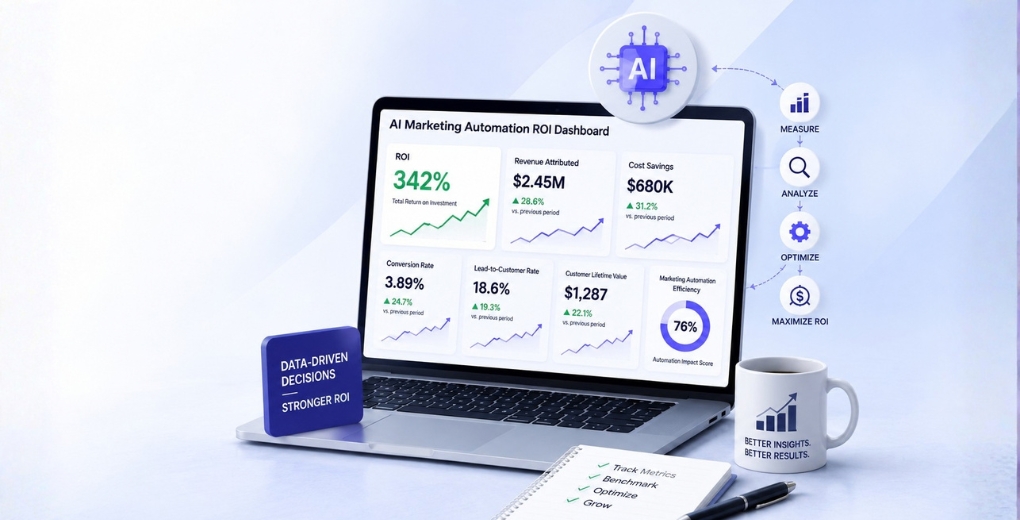
AI provides businesses with real-time data insights that help improve marketing strategies. By analyzing customer behavior and campaign performance, AI helps businesses make data-driven decisions that lead to better targeting, personalization, and overall marketing performance. Topranker enables businesses to unlock the full potential of their data, turning insights into actionable strategies that optimize ROI.
Real-Time Campaign Optimization

Real-Time Campaign Optimization

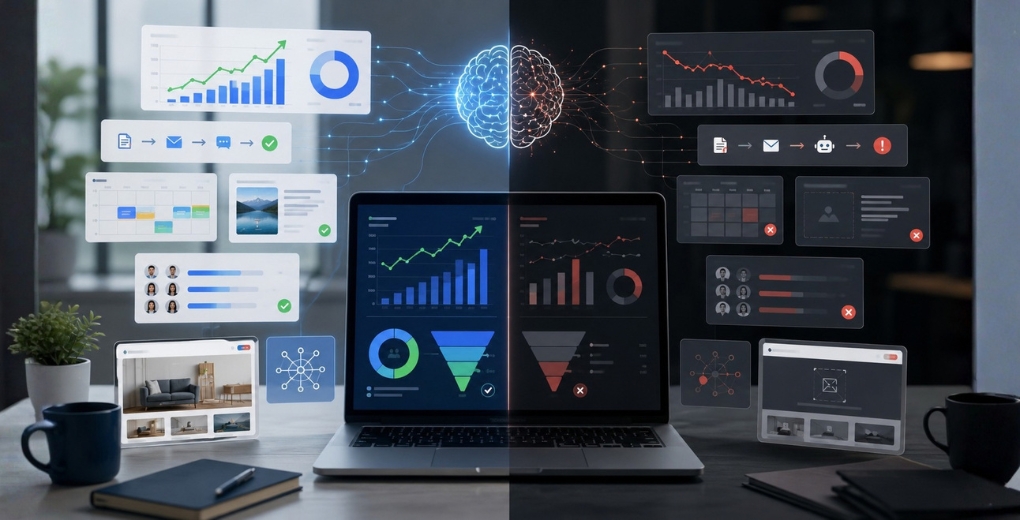
AI also allows businesses to optimize campaigns in real-time based on performance data. If a campaign isn’t performing as expected, AI can automatically adjust elements such as ad copy, target audience, or bidding strategies. This ensures that businesses continuously improve their campaigns and achieve better ROI over time. Topranker provides businesses with AI solutions that offer real-time optimization, ensuring campaigns are always running at their best.
Enhanced Customer Retention

Enhanced Customer Retention

AI Marketing Automation also helps businesses increase customer retention by delivering highly relevant content and personalized experiences. AI systems can track customer behavior and automatically trigger re-engagement campaigns when necessary. For instance, AI can identify customers who have abandoned their shopping cart or those who haven’t interacted with the business in a while, sending personalized offers to win them back. Topranker helps businesses implement AI-driven customer retention strategies that foster loyalty and increase customer lifetime value (CLV).

Applications of AI Marketing Automation Across Industries

E-Commerce

In e-commerce, AI Marketing Automation plays a pivotal role in enhancing the customer shopping experience. By providing personalized product recommendations, automating email marketing, and optimizing dynamic pricing, businesses can drive higher sales and improve conversion rates. Topranker helps e-commerce businesses by implementing AI-driven tools that improve product recommendations, optimize inventory management, and reduce cart abandonment.

Healthcare

In healthcare, AI can automate appointment reminders, send personalized health content, and engage patients with relevant information. AI marketing automation also ensures that healthcare providers can reach out to patients with targeted messages related to their health and wellness. Topranker works with healthcare providers to help them implement AI systems that improve patient engagement and retention through personalized communication.

Retail

For retailers, AI Marketing Automation delivers personalized shopping experiences, automates customer interactions, and optimizes inventory management. By leveraging AI, retailers can automate everything from personalized promotions to customer support, driving higher customer satisfaction and ROI. Topranker helps retail businesses scale their marketing strategies, providing AI-driven solutions that optimize customer engagement and sales.

Real Estate

In real estate, AI Marketing Automation helps businesses nurture leads, send personalized property recommendations, and follow up with potential buyers or renters. Topranker implements AI-powered tools that assist real estate businesses in improving lead conversion and enhancing customer engagement, ensuring higher ROI from every marketing effort.

Conclusion

AI Marketing Automation is an indispensable tool for businesses aiming to optimize marketing processes, drive better engagement, and improve ROI. By automating repetitive tasks, personalizing content, and continuously analyzing real-time customer data, AI helps businesses stay agile in an increasingly competitive digital marketplace.

Topranker provides AI-driven solutions that empower businesses to automate their marketing strategies, refine their campaigns based on customer behavior, and ultimately improve ROI. With machine learning, predictive analytics, and natural language processing (NLP), businesses can make informed decisions and deliver the right message to the right customer at the right time.

As businesses evolve in a rapidly changing digital landscape, AI Marketing Automation ensures they stay relevant and competitive, ultimately leading to long-term growth. Ready to elevate your marketing strategy? Contact Topranker today and discover how AI Marketing Automation can help your business achieve higher ROI and customer satisfaction.
AI Marketing Automation: Frequently Asked Questions

Who can benefit from AI Marketing Automation?
AI Marketing Automation is beneficial for businesses across all industries, particularly those aiming to scale their marketing efforts, optimize customer engagement, and improve their return on investment (ROI). Companies that deal with large customer databases, multiple marketing channels, or personalized customer experiences can see significant improvements through automation.

Industries that can benefit include:

  • E-commerce: AI helps automate product recommendations, personalize shopping experiences, and optimize checkout processes. AI-driven marketing enables e-commerce businesses to enhance the customer journey by sending personalized offers based on past purchase behavior.

  • Healthcare: AI can segment patient data to send targeted health reminders or health-related content. It can also be used to track appointments, personalize healthcare marketing, and improve patient engagement.

  • Retail: AI enhances customer personalization, enabling retailers to recommend products based on preferences, purchasing habits, and even browsing behavior. It can also streamline inventory management and price adjustments.

  • Real Estate: Real estate agents can use AI to send automated emails, manage leads, and personalize property recommendations for buyers based on location, price range, and preferences.

  • Education: Schools and educational institutes can use AI to engage prospective students with personalized content, track application progress, and follow up with lead nurturing automation.

  • Finance: AI can improve marketing by analyzing customer financial behavior and tailoring financial products based on individual needs. It can automate loan recommendations and financial advice.

  • Travel: AI-powered marketing helps in segmenting customers based on travel preferences, sending them relevant deals, and providing personalized recommendations.
AI Marketing Automation integrates artificial intelligence technologies into marketing processes, automating repetitive tasks such as content creation, customer segmentation, and campaign management. By analyzing vast amounts of customer data, AI can predict behaviors, personalize content, and optimize campaigns across various marketing channels.

How it works:

  • Data Collection: AI systems aggregate data from multiple sources such as social media platforms, website interactions, and purchase history. This data is then used to build detailed customer profiles.

  • Customer Segmentation: Based on this data, AI can dynamically segment customers by analyzing factors such as demographics, preferences, and behaviors. This allows businesses to target the right customers with the right messages.

  • Personalization: AI leverages the segmented data to personalize marketing campaigns, delivering tailored messages to each customer. This includes personalized email campaigns, product recommendations, and dynamic web content.

  • Optimization: AI optimizes campaigns by analyzing real-time data. It adjusts tactics and budget allocation based on campaign performance, ensuring that marketing efforts are maximized for ROI.
AI Marketing Automation should be implemented when:

  • Scalability: If your business is experiencing growth and you are managing a large customer database, AI can scale marketing efforts and handle the increased volume of interactions without compromising on quality.

  • Personalization: Businesses that rely on personalization to engage their customers—such as offering customized product recommendations or content—should consider AI to automate these processes.

  • Data Complexity: If your business handles large amounts of data from multiple sources, AI can help streamline the management and analysis of this data to deliver targeted marketing campaigns.

  • Performance Tracking: Businesses looking to track marketing performance across various channels in real-time can benefit from AI, which automates the performance analysis and optimization processes.
Compared to traditional marketing methods, AI Marketing Automation offers several distinct advantages:

  • Efficiency: Traditional marketing methods often require manual processes such as segmenting customers, creating content, and sending emails. AI automates these tasks, saving time and reducing the potential for human error.

  • Personalization: While traditional methods rely on broad, generalized messages, AI enables hyper-personalization, delivering customized content to individual customers based on their behavior, preferences, and interactions.

  • Real-time Optimization: AI can analyze campaign performance in real-time and adjust strategies as needed. This dynamic optimization ensures that campaigns are always performing at their best, unlike traditional methods that might require manual adjustments over days or weeks.

  • Scalability: AI allows businesses to scale their marketing efforts without the need for additional staff or resources. Automated workflows can handle high volumes of tasks efficiently.
AI-powered customer segmentation goes beyond traditional demographic segmentation by incorporating behavioral data, purchase history, and interaction patterns. AI uses this data to:

  • Segment by Behavior: AI can analyze how customers engage with your website, social media, and emails, allowing you to create targeted segments based on engagement patterns and purchase histories.

  • Predict Future Behavior: AI doesn’t just segment customers based on current behavior but can predict future actions by analyzing past trends. This allows businesses to proactively engage with customers before they even take action.

  • Dynamic Segmentation: Traditional segmentation can be static, but AI segmentation is dynamic and adjusts in real-time. For example, customers who frequently purchase items related to a specific category can be automatically grouped and targeted with relevant offers.

AI Marketing Automation can assist with customer retention by:

  • Identifying At-risk Customers: AI can analyze patterns of customer behavior to identify when a customer is likely to churn. Based on this information, businesses can initiate re-engagement campaigns tailored to retain these customers.

  • Automating Loyalty Programs: AI can automate the process of rewarding loyal customers, sending them personalized offers, discounts, or content to ensure continued engagement.

  • Personalized Re-engagement: AI sends personalized messages, such as reminders about abandoned carts, exclusive offers, or product recommendations, to re-engage customers who have shown interest but have not converted.
Measuring success with AI Marketing Automation involves tracking:

  • Customer Engagement: AI-driven campaigns improve engagement rates, such as open rates for emails, click-through rates for ads, and social media interactions.

  • Conversion Rates: By automating personalized content delivery, AI helps improve conversion rates. This can be tracked through analytics tools.

  • ROI: AI optimizes ad spend and customer acquisition efforts, which leads to improved ROI. Tracking the relationship between marketing spend and customer acquisition or retention is crucial.

  • Customer Retention: AI campaigns that provide personalized experiences and timely re-engagement can boost customer retention, leading to a higher customer lifetime value.
While AI Marketing Automation is beneficial across multiple industries, it is particularly impactful in sectors where data analysis and personalization are key. These industries include:

  • E-commerce: AI can personalize recommendations, automate email marketing, and analyze customer purchase behavior.

  • Healthcare: AI can send automated health tips, track patient appointments, and analyze medical history for personalized communication.

  • Retail: Personalized product recommendations and automated loyalty programs can significantly boost customer satisfaction and sales.

  • Real Estate: AI helps real estate agencies send automated property recommendations based on individual preferences.

AI Marketing Automation helps businesses scale by automating repetitive tasks, such as data analysis, content creation, and customer interaction. This allows businesses to handle a higher volume of interactions while maintaining personalized communication. AI also enables the delivery of targeted marketing campaigns across multiple channels at scale, ensuring that each customer gets the right message at the right time.

AI optimizes ad spend by:

  • Predicting Customer Behavior: AI can analyze customer data and predict when and where ads should be placed to maximize impact. This ensures that ad spend is directed toward the most profitable segments.

  • Real-Time Adjustments: AI monitors campaign performance in real-time, adjusting bids and budgets across platforms like Google Ads, Facebook, and Instagram, ensuring optimal performance while minimizing wasted spend.

  • Targeting the Right Audience: By understanding customer behaviors and demographics, AI ensures that ads are shown to the right audience, reducing irrelevant impressions and enhancing conversion rates.
Yes, AI plays a crucial role in improving cross-channel marketing by:

  • Creating Consistent Messaging: AI ensures that marketing messages remain consistent across all platforms, including email, social media, and paid ads. This creates a seamless customer experience across multiple touchpoints.

  • Integrating Data: AI integrates data from different marketing channels (such as website interactions, social media, and email campaigns) to ensure that customer interactions are personalized and relevant, no matter the platform.
AI Marketing Automation increases CLV by:

  • Personalized Recommendations: AI uses past customer behavior to predict future purchases, sending personalized product recommendations that encourage repeat purchases.

  • Customer Retention: By automating re-engagement and loyalty efforts, AI helps businesses keep customers coming back, thus increasing the overall value a customer provides over their lifetime.

  • Dynamic Content: AI ensures that the right content is delivered at the right time, enhancing customer satisfaction and increasing the likelihood of repeat business.
AI personalizes marketing content by:

  • Analyzing Data: AI looks at customer data—such as browsing behavior, purchase history, and demographics—to create personalized messages.

  • Predictive Analytics: Based on past behavior, AI can predict what content, products, or services will resonate most with a customer, delivering tailored messaging accordingly.

  • Dynamic Content Delivery: AI adjusts website content, email subject lines, and social media ads in real-time to reflect the customer’s interests, ensuring that each touchpoint feels relevant and unique.